Graphene Battery Cells
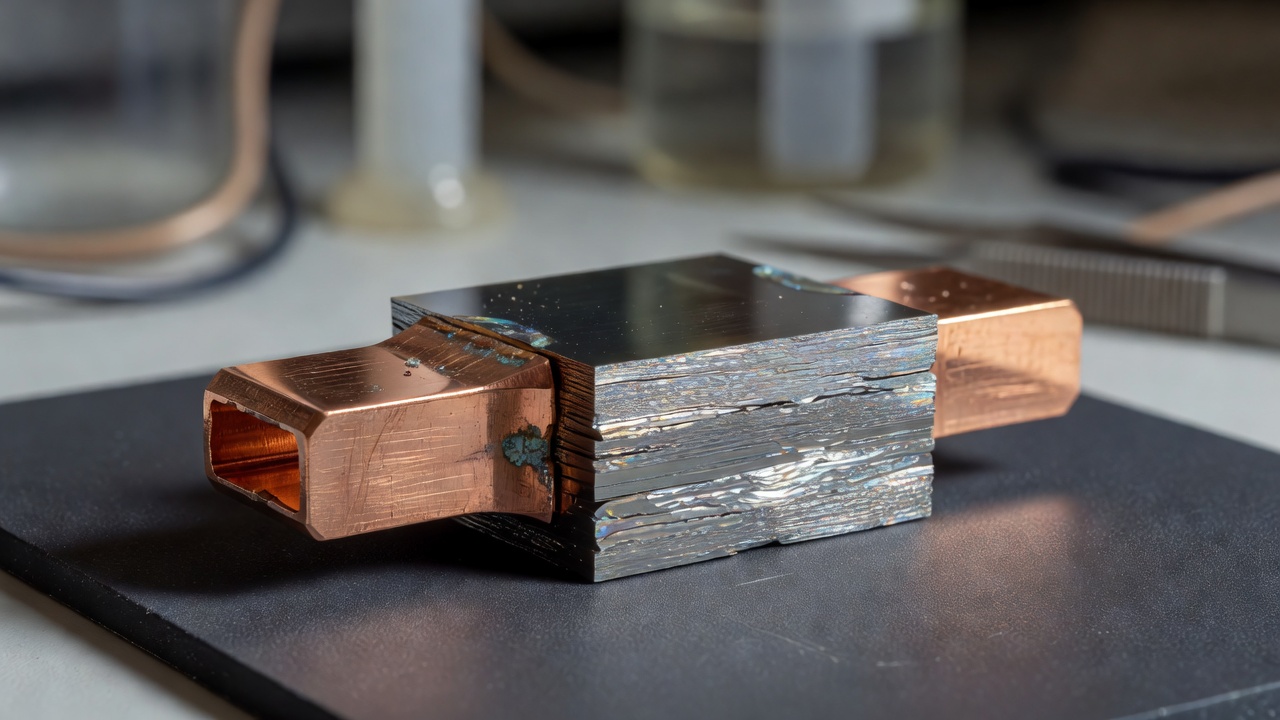
The theoretical gravimetric limits of traditional intercalated graphite anodes (capped near 372 mAh/g) have long constrained mobile compute design. By utilizing continuous defect-free graphene foam substrates impregnated with lithium titanate, modern laboratories are demonstrating charge densities exceeding 650 mAh/g without the catastrophic volume swelling observed in pure silicon prototypes.
1. Thermodynamic Stability & Dendrite Suppression
In traditional lithium metal batteries, uneven ion flux during rapid replenishment triggers dendritic needle growth. These microscopic metallic whiskers pierce polymer separators, generating internal dead shorts that ignite volatile organic electrolytes. Graphene matrix architectures eradicate this threat through uniform current distribution across hexagonal sp²-hybridized carbon planes.
Laboratory testing at the Chalmers University Materials Science Center indicates that monolithic graphene scaffolds maintain an interfacial impedance below 12 ohms/cm² even at charge rates surpassing 12C. This mechanical rigidity effectively physically restricts lithium dendrites from crystallizing across the solid-state ceramic separator.
| Metric | Standard Li-Ion (NMC 811) | Silicon Composite Anode | Monolithic Graphene Solid-State |
|---|---|---|---|
| Gravimetric Energy | 260 Wh/kg | 350 Wh/kg | 530 Wh/kg |
| Charge Rate (0 to 80%) | 32 minutes | 18 minutes | 3.8 minutes |
| Cycle Retention (80%) | 1,200 cycles | 600 cycles | 3,800 cycles |
| Thermal Runaway Floor | 150°C | 165°C | 310°C (Non-combustible) |
2. The Roll-to-Roll Exfoliation Bottleneck
While single-layer graphene delivers exceptional tensile strength and thermal conductivity (approaching 5,000 W/m·K), synthesizing continuous defect-free films at industrial scales remains an immense economic obstacle. Chemical Vapor Deposition (CVD) methods on copper foil substrates remain too expensive for consumer consumer gadgets, currently commanding over $180 per square meter.
Recent pilot roll-to-roll liquid-phase exfoliation techniques using ultrasonic cavitation in water-surfactant suspensions have decreased production expense by roughly 62%, yet maintaining uniform grain boundary orientation across continuous 500-meter webs remains elusive.
3. Viability Verdict & Commercial Integration
Graphene solid-state cells have transitioned from theoretical physics papers to functional multi-layer pouch prototypes. We forecast initial deployment in specialized medical implants and aerospace communications gear by 2026, followed by flagship personal consumer hardware within the 2027–2028 timeframe.
Evaluate Hardware Specs
Explore our comprehensive data compiler to generate custom energy density sheets.
Review Prototype Specs